


Vitamin D Balanced Blend
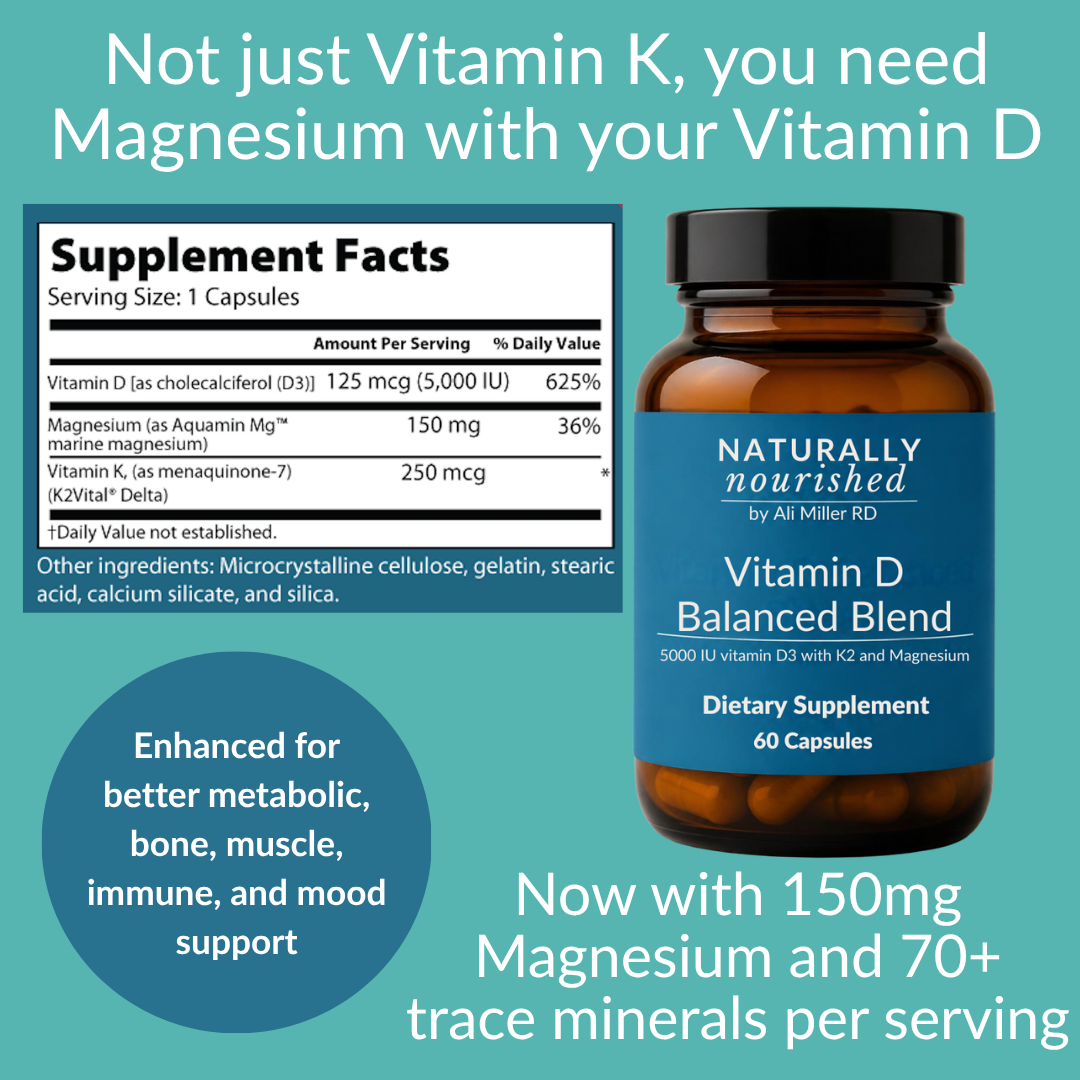
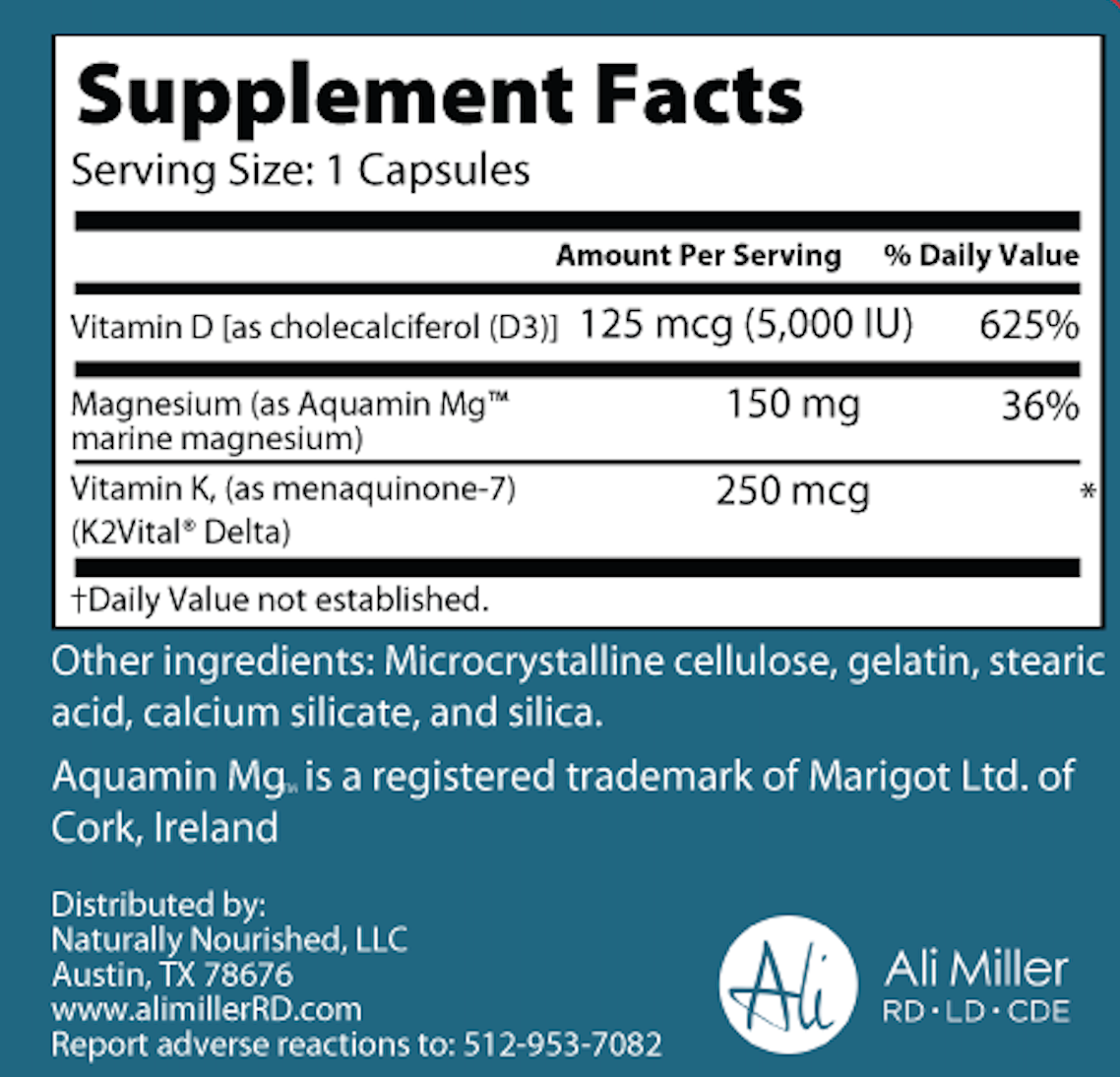
Vitamin D is balanced with vitamin K2 and enhanced with magnesium for best delivery and bioavailability in the body while providing complementary benefits for bone, cardiovascular, mood, and metabolic health.
Take 1 daily with food or as prescribed by your healthcare practitioner
Contains 60 capsules which lasts 2 months with typical use.
Purchase a bundle and SAVE 12%! This product is also featured in Immune Support Bundle
Safety
- Safe with breastfeeding
- Safe during pregnancy
-
Safe for Kids
Learn more
Vitamin D is balanced with vitamin K2 and enhanced with magnesium for best delivery and bioavailability in the body while providing complementary benefits. Supplemental increases in vitamin D levels increase the need for vitamin K and magnesium to support bone, immune, and metabolic health.
The magnesium source in this formula contains 70+ trace minerals further serving to aid in whole body health. Both magnesium and vitamin K2 have been shown to aid in microbiome and gut health. These three key nutrients in combination aid in absorption and provide synergistic effects.
* These statements have not been evaluated by the Food and Drug Administration. This product is not intended to diagnose, treat, cure or prevent any disease.
Benefits
The Relationship Between Vitamin D, Vitamin K, and Magnesium
Vitamins D and K are essential for optimal bone and arterial health and for maintaining a healthy immune system. Vitamins D and K work as a team and magnesium plays a key role in the synthesis and absorption of Vitamin D. Data from nearly 3,000 individuals reveal you need 244% more oral vitamin D if you’re not also taking magnesium and vitamin K2.
Increasing the amount of vitamin D via supplementation, in the presence of insufficient levels of vitamin K, can increase the risk of inappropriate calcium deposition in the soft tissue (such as arteries and joints), and can have a negative effect on blood vessel elasticity. However, when adequate levels of vitamin K are present along with vitamin D, calcium can be properly directed to the necessary areas of the body, mainly in bones and teeth. Increasing vitamin D levels increases the need for vitamin K.
The Role of Vitamin D
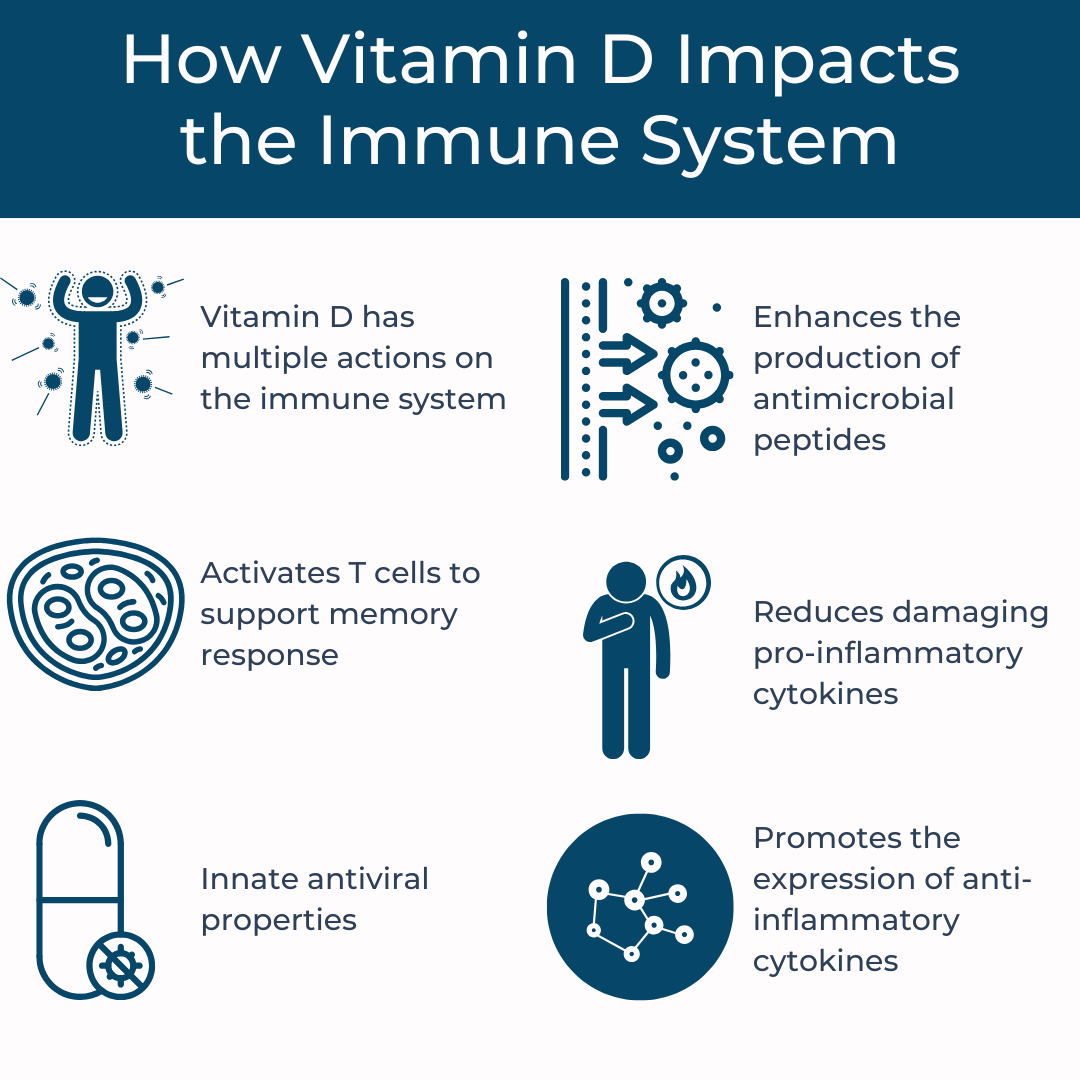
Vitamin D assists with proper bone health, as it helps regulate the body’s calcium levels. When calcium levels are low, vitamin D stimulates calcium absorption and reduces calcium excretion, thereby encouraging healthy bones and teeth. In addition, vitamin D helps to support a proper immune response in the body. Healthy prostate, colon and breast tissues are also supported by optimal vitamin D status and this prohormone plays a key role in energy, metabolism, and hormone balance.
The Role of Vitamin K
Both forms of vitamin K are important to our health: Vitamin K1 (phytonadione) is the naturally occurring form, found predominantly in leafy green vegetables; while vitamin K2 (Menaquinone-7) is made by bacteria and dependent on microbiome status. Vitamin K2 has a more influential role in directing the transport of calcium into bone and teeth for optimal strength while preventing calcification of soft tissues and kidney stones. For this reason, Vitamin D Balanced Blend uses the most bioavailable K2Vital and relies on diet for K1.
The Role of Magnesium
Magnesium and vitamin D have a synergistic relationship. Magnesium is not just helpful but it is a required nutrient for vitamin D conversion into its active form. Magnesium can enhance vitamin D absorption and overall status, while vitamin D can also in turn support absorption of magnesium in the gut. These nutrients are in such a reciprocal relationship it just makes sense to supplement with them in one to support balance.
Magnesium deficiency is quite common with less than 50% of Americans at ideal status, but Vitamin D deficiency is drastic with only 8% or so of Americans meeting ideal range of 50-100 ng/dl! Your vitamin D status is 90% due to sun exposure and production in your body, if you aren't getting ample sunlight, supplementation is recommended, and even with ample sun exposure many require supplementation for ideal range levels to be achieved.
How to Use
Take 1 daily with food or as recommended by your healthcare provider. Taking at meal time enhances absorption as you will have fat in your meals and vitamin D is fat soluble. Based on your level of vitamin D deficiency, you may take two capsules for a period of time to get levels back to optimal status, discuss and monitor with your provider.
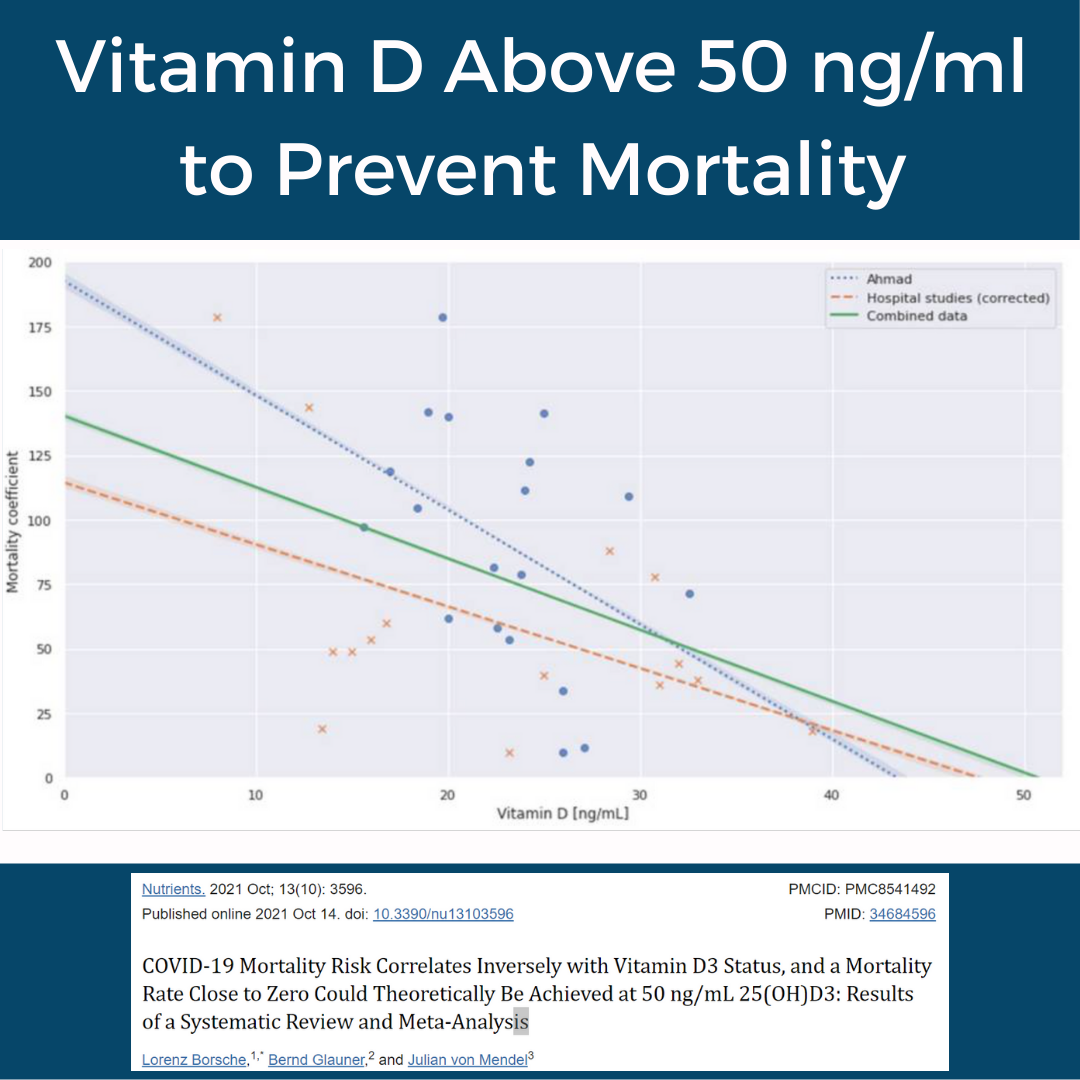
It is recommended to monitor vitamin D levels semi-annually when using vitamin D supplementation. Aim for a range within 50-100 ng/mL. If your value is over 90, consider reducing from daily use to ever other day.
CAUTION: Vitamin K may adversely interact with anticoagulation drugs known as blood thinners. Patients taking these medications should discuss taking this product with their prescriber.
Want to know your Vitamin D status? Order a Vitamin D Blood Spot Test Kit that you can complete in the comfort of your home to ensure adequate levels! Check it out here.
Q&A
Is the magnesium in the Vitamin D blend derived from fish or shellfish?
No, the magnesium we source from Aquamin-Mg is exclusively purified sea water from the pristine waters of the Irish Sea. We love this sourcing as it provides 70+ trace minerals in addition to magnesium for more full spectrum support.
How can I test my Vitamin D status?
Vitamin D plays a vital role in immune, hormone, thyroid, cardiovascular and metabolic health. Ensuring you are at an optimal level of 50-80ng/mL is important for optimal health. We offer a convenient at home blood spot test will give you an accurate value so you can adjust your supplementation appropriately and ensure you are in an optimal state for cold, flu, virus season. For details and to purchase https://alimillerrd.com/products/vitamin-d-blood-spot-test
Research
References
1. Vitamin D toxicity redefined: vitamin K and the molecular mechanism. Masterjohn C. Med Hypotheses. 2007;68(5):1026-34. Epub 2006 Dec 4.
2. Vitamin K2 and D3 Supplementation in Patients With Severe Coronary Artery Calcification: The DANCODE Trial https://www.ahajournals.org/doi/10.1161/CIRCULATIONAHA.126.082363
3. Melissa A. Daubert,Michael J. Blaha,Coronary Calcium Regression With Vitamin Supplementation: A Therapeutic Target or Too Good to be True?, Circulation, 0, 0, (2026). /doi/10.1161/CIRCULATIONAHA.126.082640
4. Deng, X., Song, Y., Manson, J.E. et al. Magnesium, vitamin D status and mortality: results from US National Health and Nutrition Examination Survey (NHANES) 2001 to 2006 and NHANES III. BMC Med 11, 187 (2013). https://doi.org/10.1186/1741-7015-11-187
5. Uwitonze AM, Razzaque MS. Role of Magnesium in Vitamin D Activation and Function. J Am Osteopath Assoc. 2018 Mar 1;118(3):181-189. doi: 10.7556/jaoa.2018.037. PMID: 29480918.
6. May M. Cheung, Rosemary D. Dall, Patricia A. Shewokis, Asma Altasan, Stella L. Volpe, Renee Amori, Harpreet Singh, Deeptha Sukumar, The effect of combined magnesium and vitamin D supplementation on vitamin D status, systemic inflammation, and blood pressure: A randomized double-blinded controlled trial, Nutrition, Volumes 99–100, 2022, 111674, ISSN 0899-9007, https://doi.org/10.1016/j.nut.2022.111674.
7. Felice VD, O’Gorman DM, O’Brien NM, Hyland NP. Bioaccessibility and Bioavailability of a Marine-Derived Multimineral, Aquamin-Magnesium. Nutrients. 2018; 10(7):912. https://doi.org/10.3390/nu10070912 *This study includes trace mineral breakdown.